

History of the G String Thong
The g string thong has never been just one thing. Over time it has been practical, provocative, political, playful, and surprisingly useful. It has moved through different cultures, different decades, and very different meanings, which is probably why it has never really disappeared.
Today, a thong is often chosen for a simple reason, it works. It sits smoothly under clothes, avoids visible lines, and for many women it feels like the easiest option in the drawer. But that is only the latest chapter. The story of the thong is far older, stranger, and more interesting than most people realise.
Before the modern thong
Thong like garments existed long before the modern women’s underwear drawer. Historians and fashion writers often point to ancient loincloths and minimal wrapped garments as early predecessors, though they were not the same thing as the modern g string thong sold today. The safest way to put it is this, the thong has very old roots, but the modern female oriented version is largely a 20th century story.
This matters because people often treat the thong as a recent fashion invention, when in reality the idea of wearing very little fabric for practicality, movement, or modesty has been around for a very long time. What changed over the years was not just the cut, but the meaning.
The 1939 turning point
The first major modern milestone usually begins in New York in 1939. During the New York World’s Fair, showgirls are widely said to have adopted early g string style garments after pressure to cover more of the body while still preserving the visual effect of stage costumes. This moment is often cited as the first documented female oriented appearance of the thong in modern American fashion history.
That origin is part of what makes thong history so interesting. It was not originally about everyday dressing or even lingerie. It was about negotiating visibility, performance, and public morality. In other words, the thong entered mainstream history through a debate about how much of a woman’s body could be seen.
Rudi Gernreich changed everything
If the 1939 moment put the thong into view, designer Rudi Gernreich helped push it firmly into fashion history. Gernreich is widely credited with creating the first modern thong swimsuit in 1974, reportedly in response to legislation in California that banned nude sunbathing. His design offered a tiny amount of coverage, but made a much bigger cultural statement.
This was a major shift. Once the thong moved into beachwear, it stopped being something associated only with performers and became part of a broader conversation about freedom, body confidence, and what women could choose to wear in public. Fashion had taken something controversial and turned it into design.
The 1980s and 1990s made it iconic
By the 1980s, the thong had become part of pop and performance culture. Cher helped define that shift, especially with the black thong bodysuit she wore in her 1989 If I Could Turn Back Time video, a look controversial enough to be pulled from MTV’s prime time rotation. The thong was no longer just a garment. It had become visual shorthand for boldness and provocation.
Then came the 1990s and early 2000s, when the thong moved from the stage into mainstream celebrity culture. Low rise trousers, exposed waistbands, the so called whale tail, Victoria’s Secret runway glamour, and endless tabloid fascination turned it into one of the most talked about pieces of underwear of the era. Even people who did not wear one knew exactly what it was.
The Thong Song moment
No history of the thong is complete without Sisqó. Thong Song was released in 2000 and reached number three on the Billboard Hot 100, turning one specific style of underwear into full scale pop culture material. Whatever anyone thought of the song, it made the thong impossible to ignore.
That period gave the thong huge visibility, but it also narrowed its image. For years, it was framed mainly through sex appeal, spectacle, and the male gaze. That is one reason the current phase of thong culture feels different.
Why the thong never disappeared
The interesting thing is that the thong survived every cultural swing against it. It survived backlash, parody, visible thong fatigue, and changing underwear trends. That usually only happens when a product still solves a real problem. In the thong’s case, that problem is simple, it gives a smoother finish under clothes and, when done properly, can feel minimal and easy to wear.
Recent coverage points to a broader shift in how the thong is viewed now. Rather than being defined purely by shock value, many brands and wearers focus more on comfort, wearability, body confidence, and inclusivity. That is a very different conversation from the one that dominated in the late 1990s.
The modern thong, less spectacle, more ease
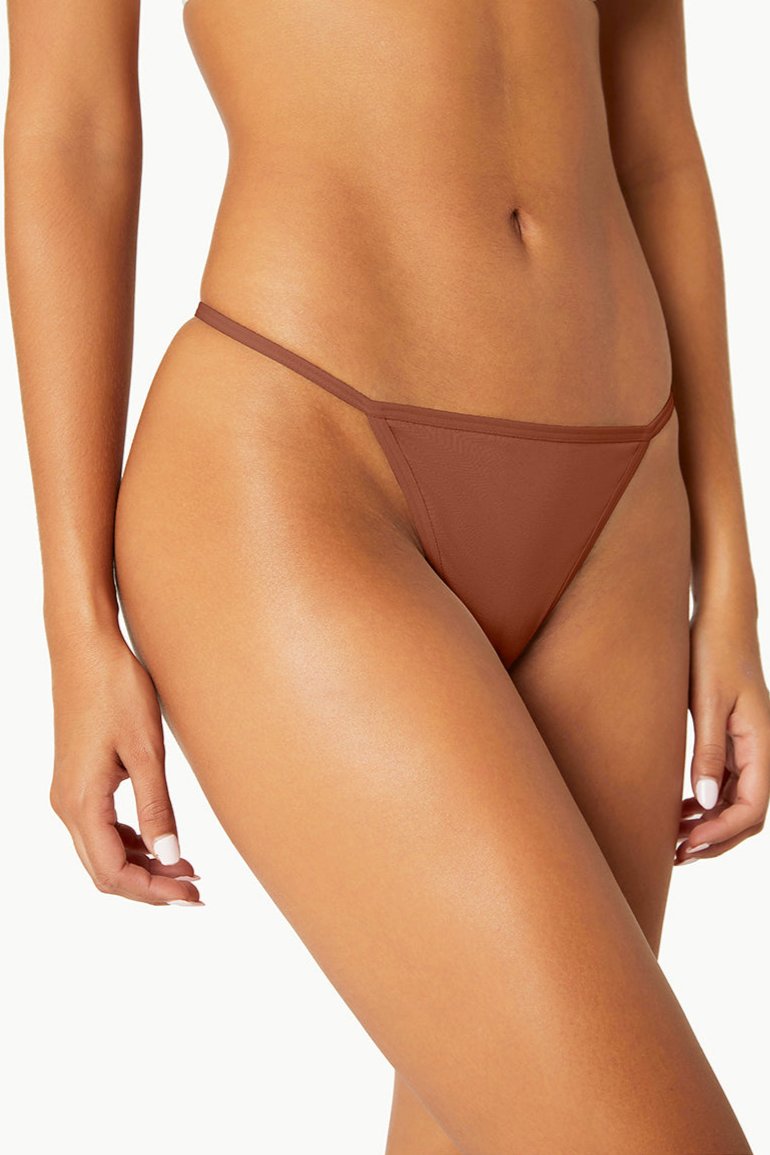
That shift is where the thong becomes newly interesting again. Today, the best thong is not about trying to shock anyone. It is about feeling comfortable, working under real clothes, and fitting seamlessly into everyday life. For a lot of women, the appeal is no longer theatrical at all. It is practical.
In that sense, the thong has come full circle. It started as something shaped by visibility and modesty, passed through decades of performance and provocation, and has ended up as a quiet staple for women who want less bulk, fewer lines, and underwear that simply does its job well.
Where String Nix fits in
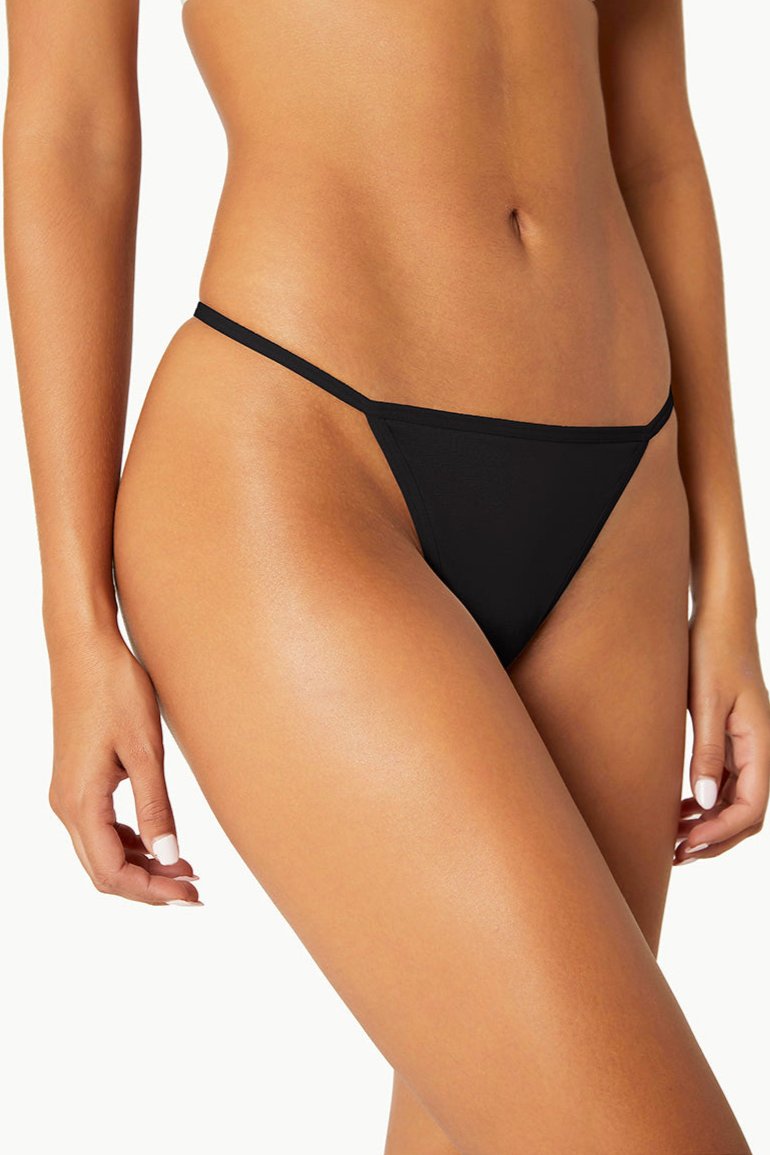
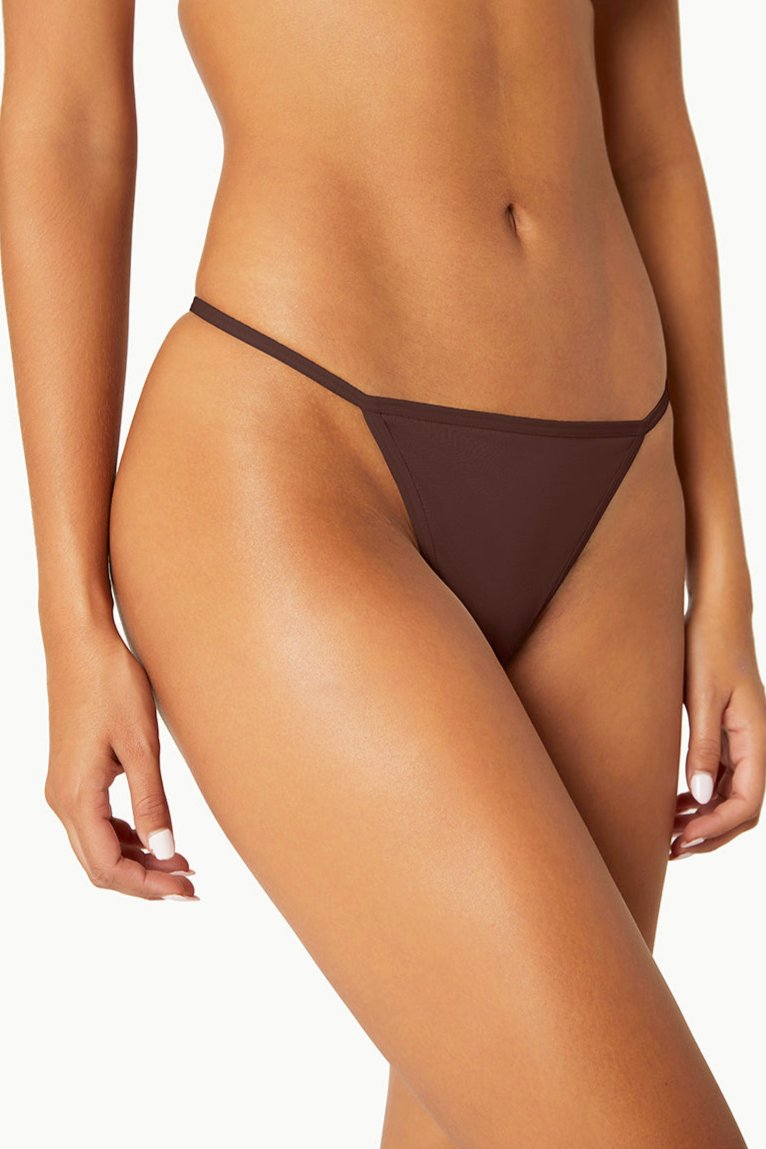
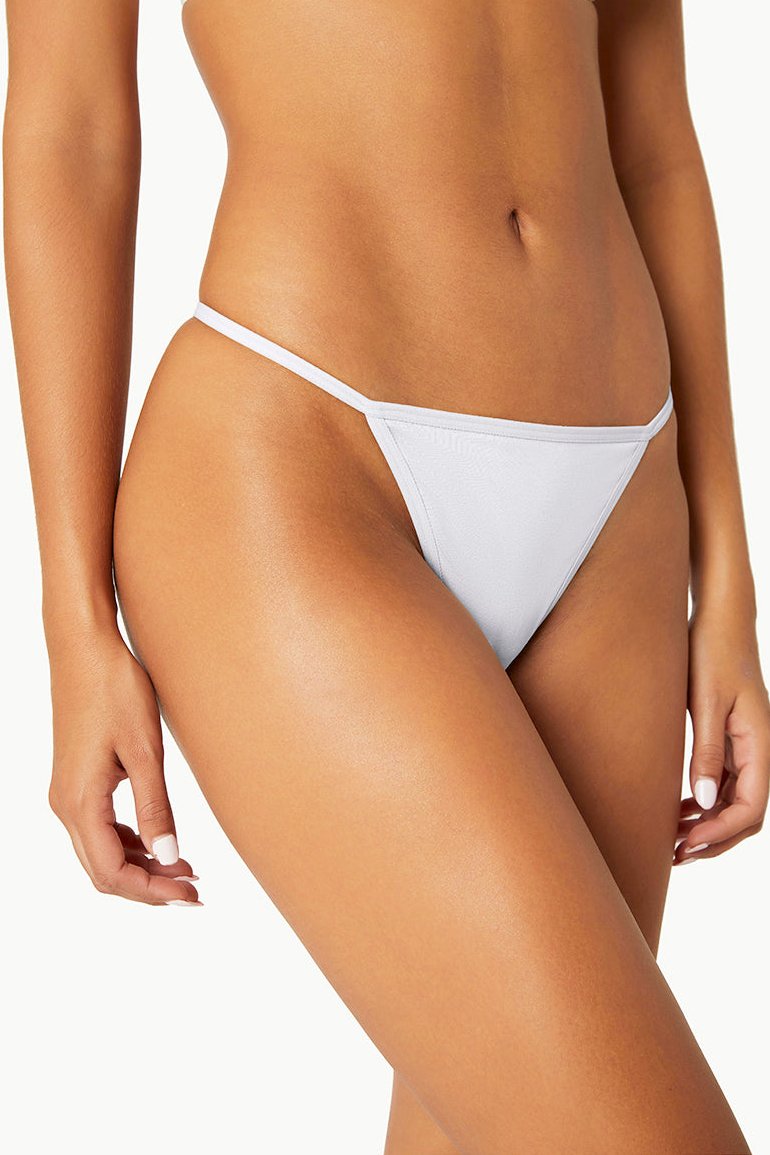
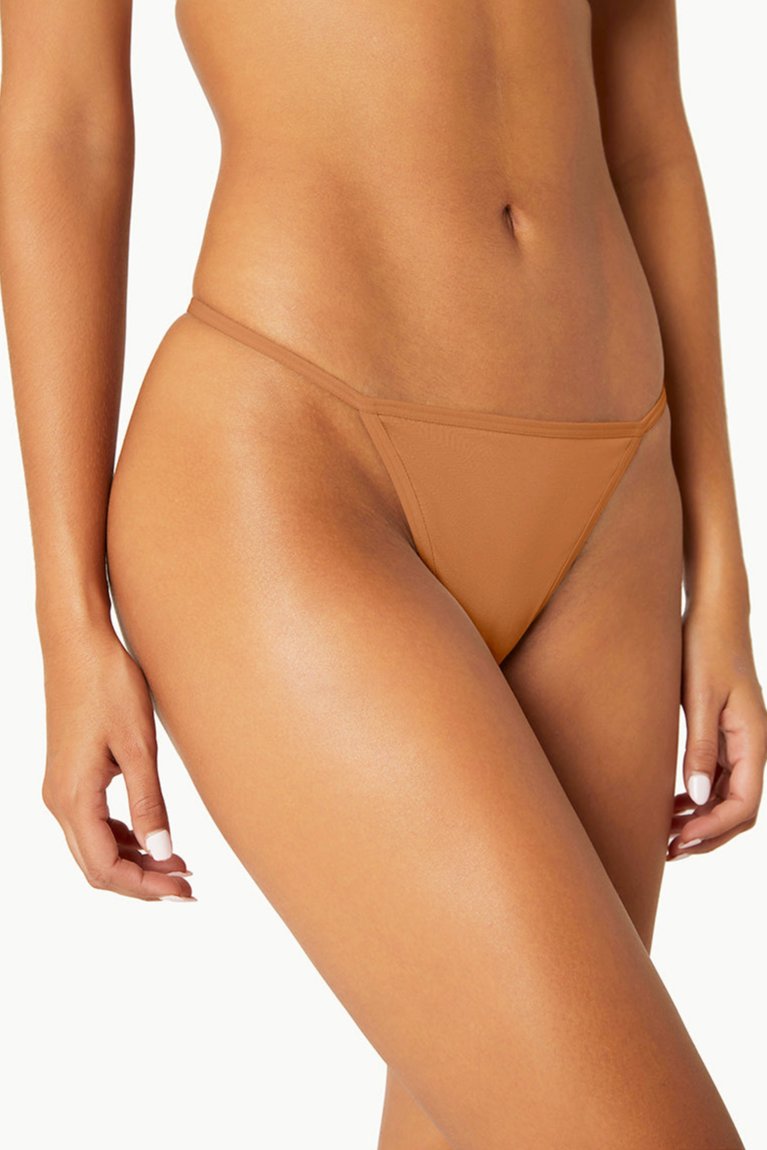
That is why the modern thong is such a good fit for String Nix Not because it is dramatic, and not because it is trying to be nostalgic for the 1990s, but because when it is cut well and made in the right fabric, it still feels like one of the smartest solutions under clothes.
The 21st century version should feel more refined than rebellious. Less costume, more confidence. Less spectacle, more ease. That is what makes the thong still relevant, and why its history is more than a novelty. It is the story of a garment that kept adapting until it became an everyday essential.
Final thong thoughts
The thong has lasted because it kept changing meaning. At one point it was about censorship. Then transgression. Then celebrity culture. Now, for many women, it is simply about comfort, confidence, and what works best under clothes. That may be the most interesting stage of its history yet.
Curious about the modern practical side? Read The G String FAQ, or shop the String Nix collection.